%2Ffit-in%2F250x250%2Fguide_websites%2F10976%2Fimages%2Ffingerlakesoutfitters.png&w=1920&q=100)
/users/83e0f57f-bcf2-433d-b73a-f8d399b18cd4/ratecard/fishing-adventure-ny.jpg)
%2F300x300%2Fusers%2F83e0f57f-bcf2-433d-b73a-f8d399b18cd4%2Fratecard%2Ffishing-adventure-ny.jpg&w=256&q=75)
%2F300x300%2Fusers%2F83e0f57f-bcf2-433d-b73a-f8d399b18cd4%2Fimages%2Fbest-great-hunting-north-rose-2321.jpg&w=256&q=75)
%2F300x300%2Fusers%2F83e0f57f-bcf2-433d-b73a-f8d399b18cd4%2Fimages%2Fbest-great-hunting-north-rose-2342.jpg&w=256&q=75)
%2F300x300%2Fusers%2F83e0f57f-bcf2-433d-b73a-f8d399b18cd4%2Fimages%2Fnorth-rose-hunting-adventure-2414.jpg&w=256&q=75)
%2F300x300%2Fusers%2F83e0f57f-bcf2-433d-b73a-f8d399b18cd4%2Fimages%2Furban-hunting-adventure-2329.jpg&w=256&q=75)
%2F300x300%2Fusers%2F83e0f57f-bcf2-433d-b73a-f8d399b18cd4%2Fimages%2Fnorth-rose-hunting-duojpg-2366.jpg&w=256&q=75)
%2F300x300%2Fusers%2F83e0f57f-bcf2-433d-b73a-f8d399b18cd4%2Fimages%2Fbest-great-outdoor-adventure-north-2463.jpg&w=256&q=75)
%2F300x300%2Fusers%2F83e0f57f-bcf2-433d-b73a-f8d399b18cd4%2Fimages%2Fhunting-adventure-new-york-2267.jpg&w=256&q=75)
%2F300x300%2Fusers%2F83e0f57f-bcf2-433d-b73a-f8d399b18cd4%2Fimages%2Fhunting-expedition-in-ny-2339.jpg&w=256&q=75)
%2F300x300%2Fusers%2F83e0f57f-bcf2-433d-b73a-f8d399b18cd4%2Fimages%2Fthrilling-hunt-new-york-2362.jpg&w=256&q=75)
%2F300x300%2Fusers%2F83e0f57f-bcf2-433d-b73a-f8d399b18cd4%2Fimages%2Ffantastic-hunting-expedition-2315.jpg&w=256&q=75)
Beginner-Friendly Duck Hunting in Finger Lakes
 Finger Lakes
What you will be catching:
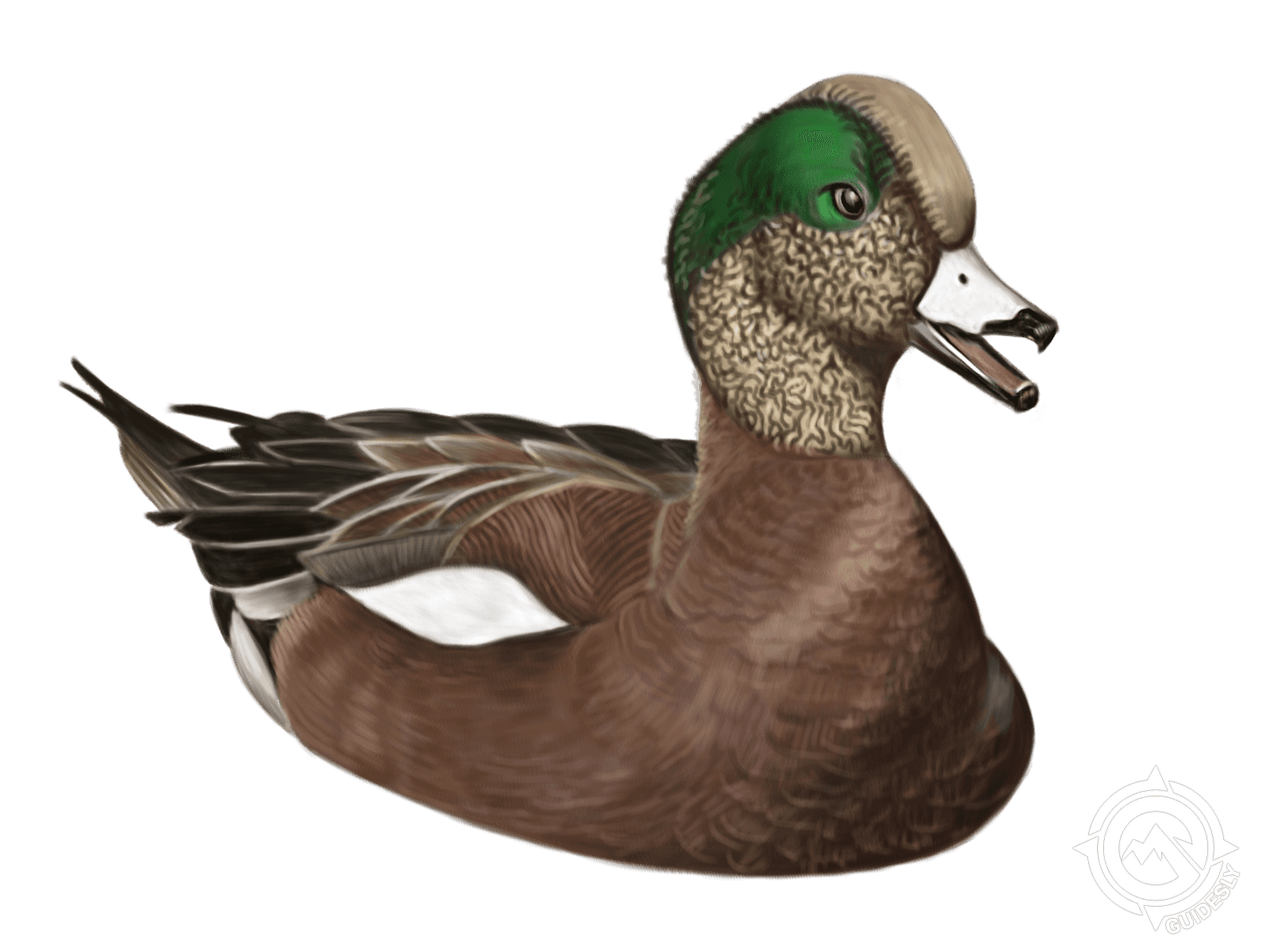
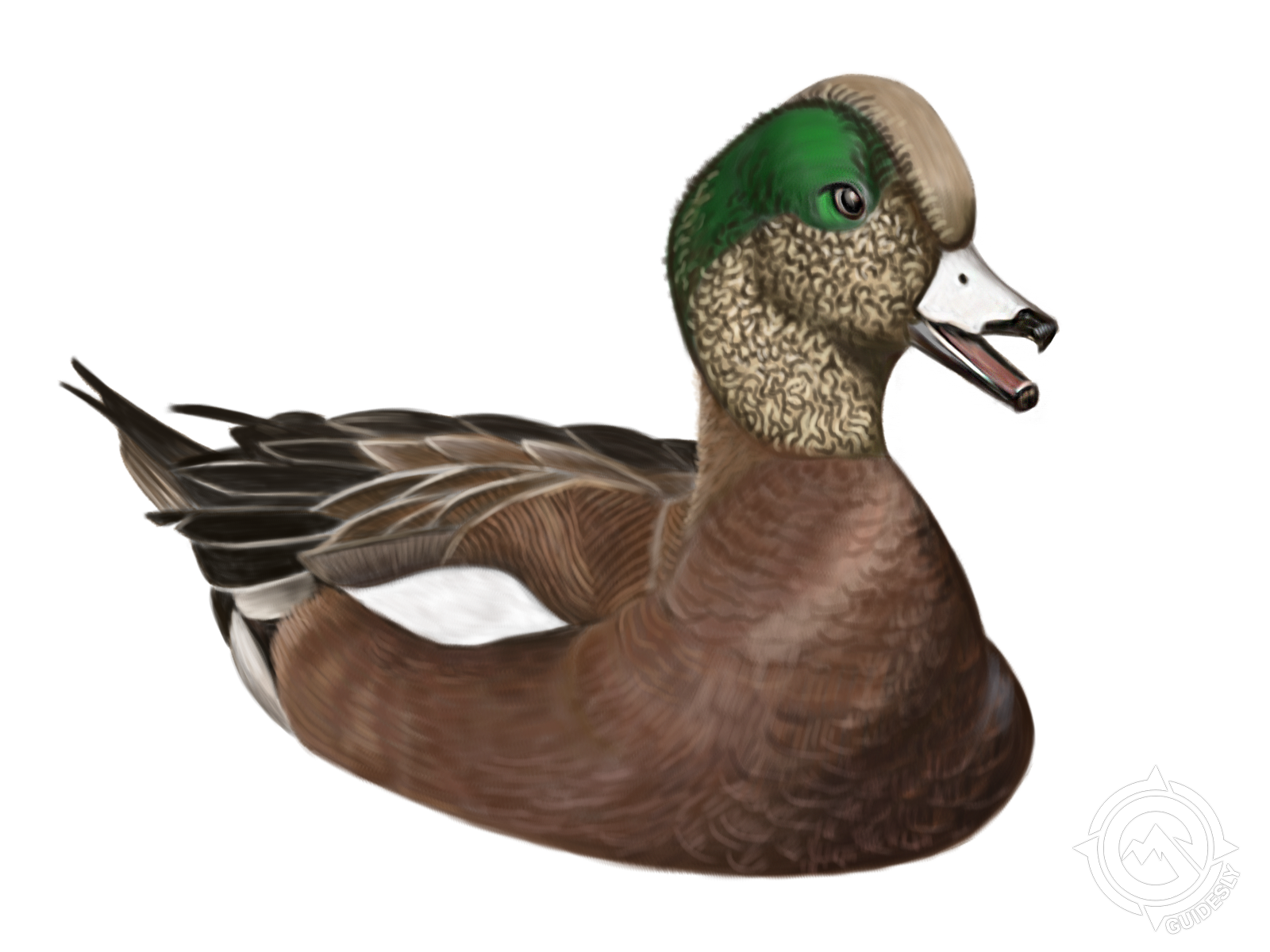 American Wigeon
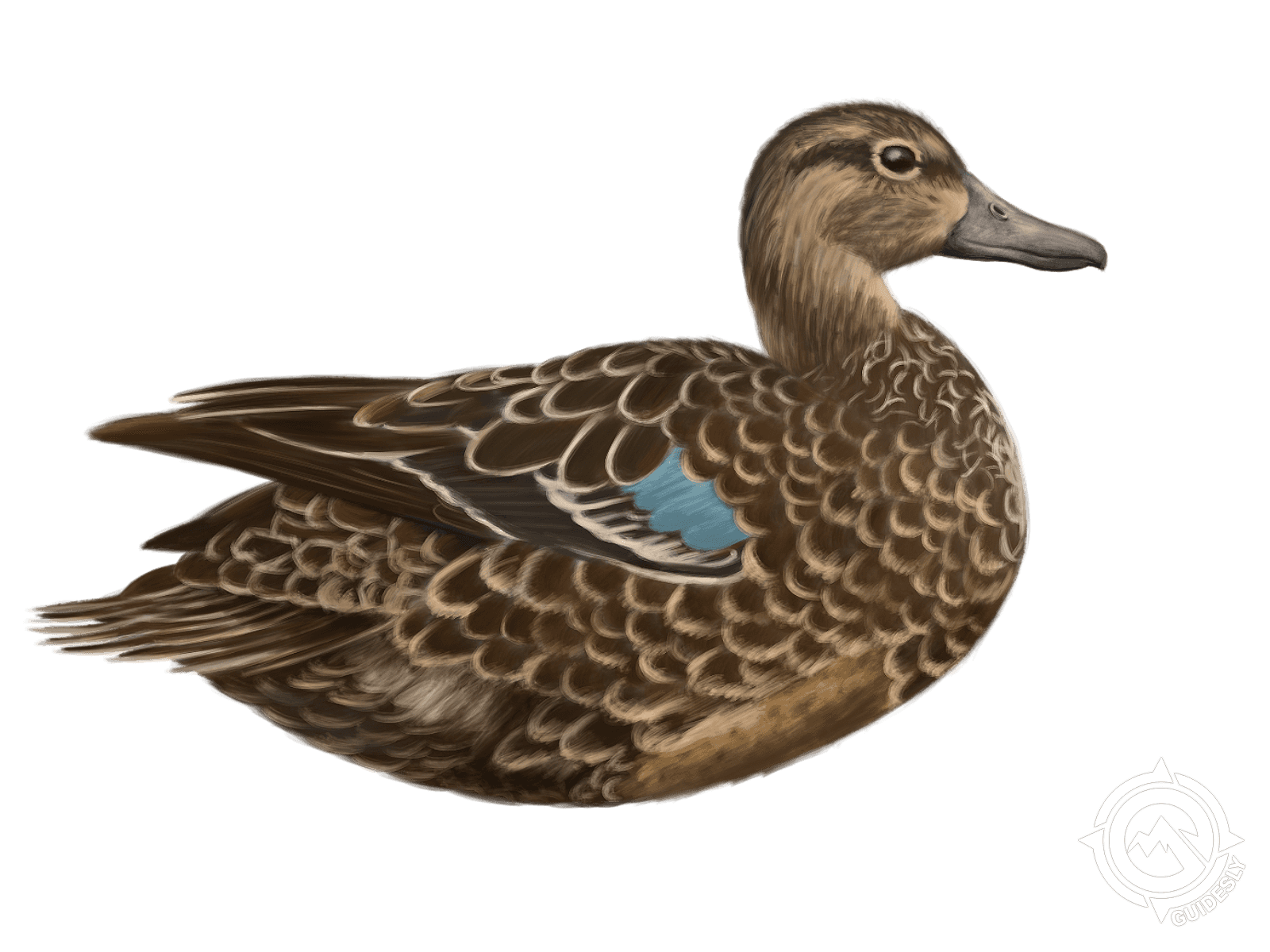
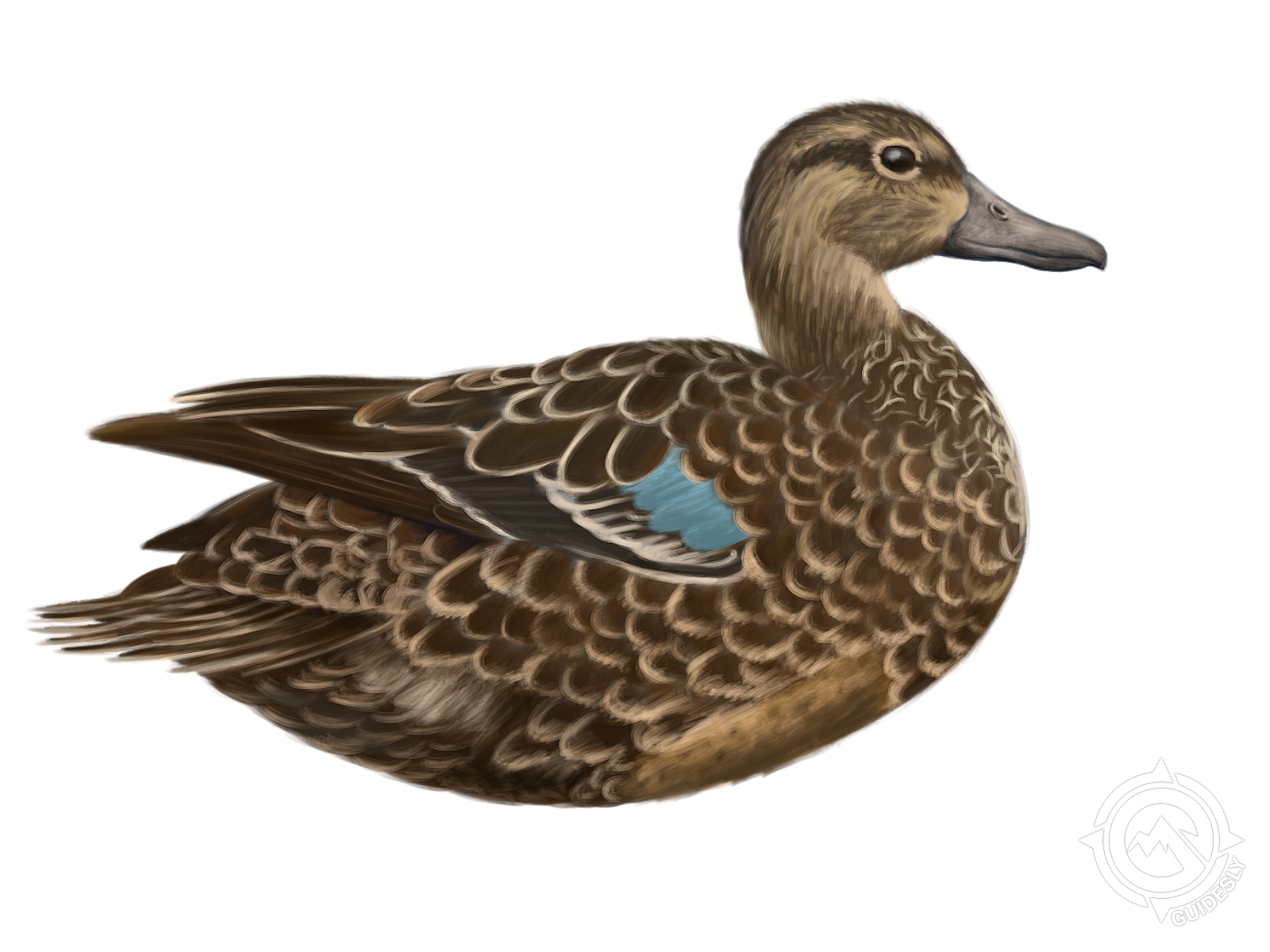 Blue-winged Teal
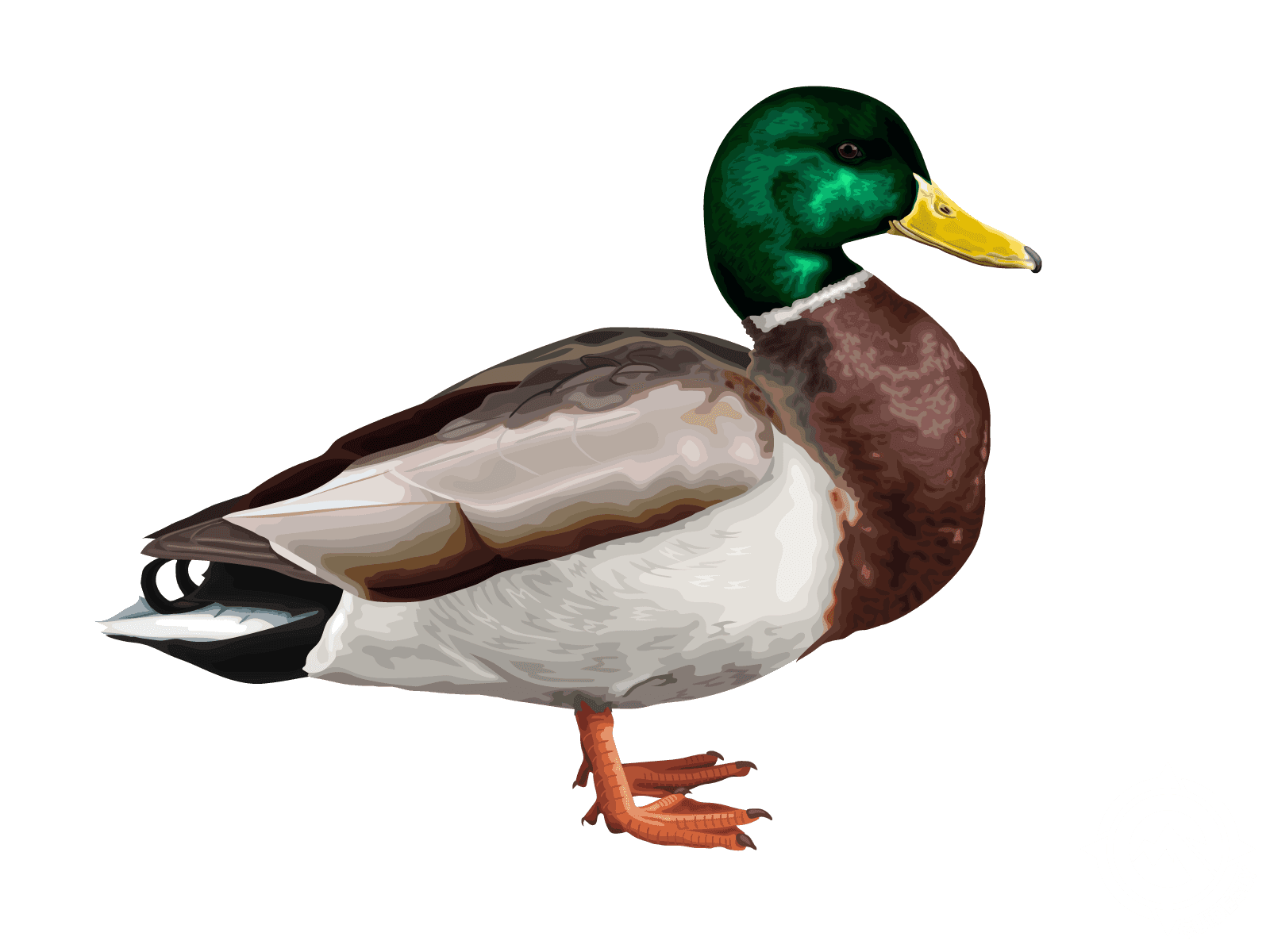
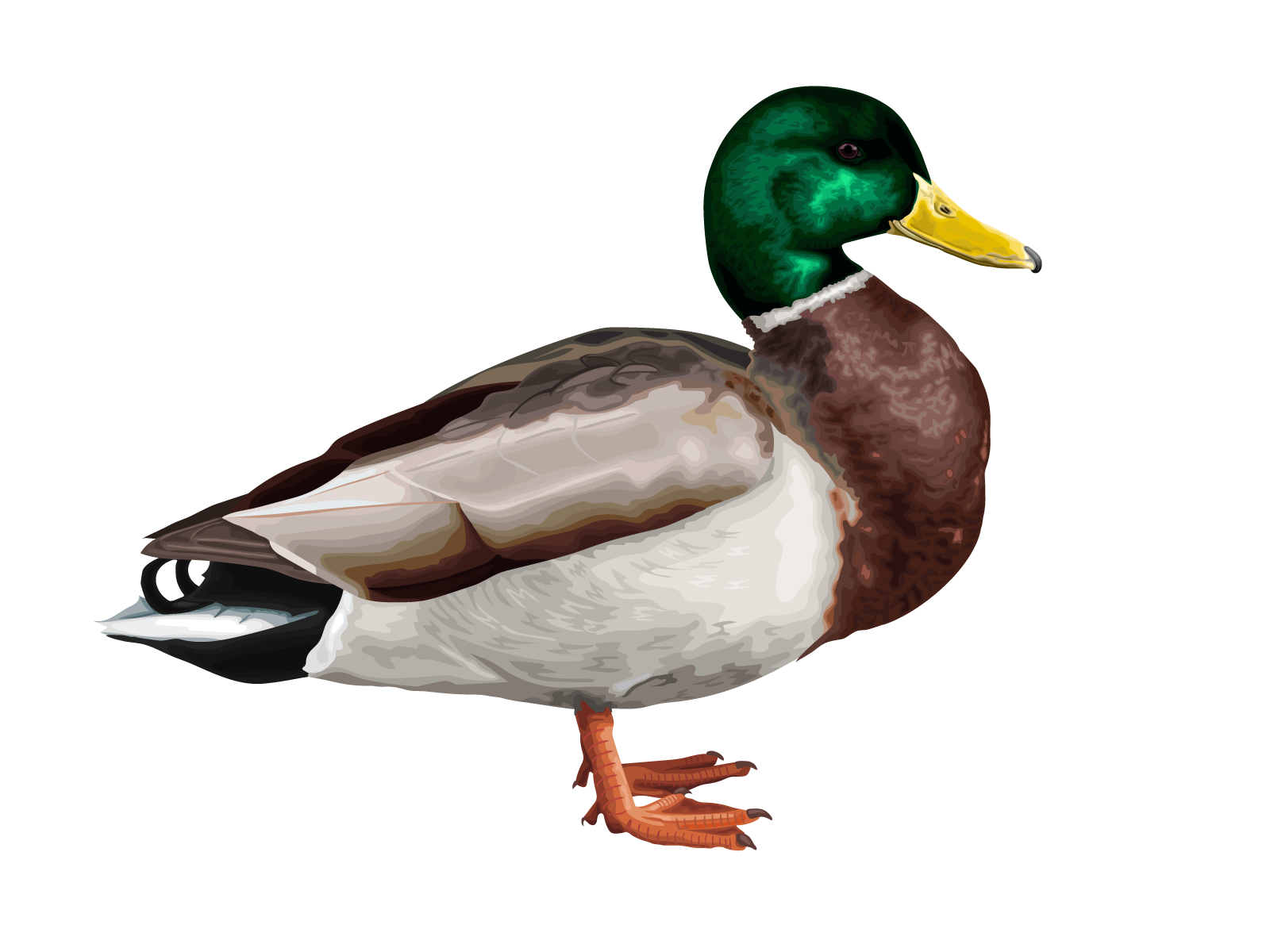 Mallard
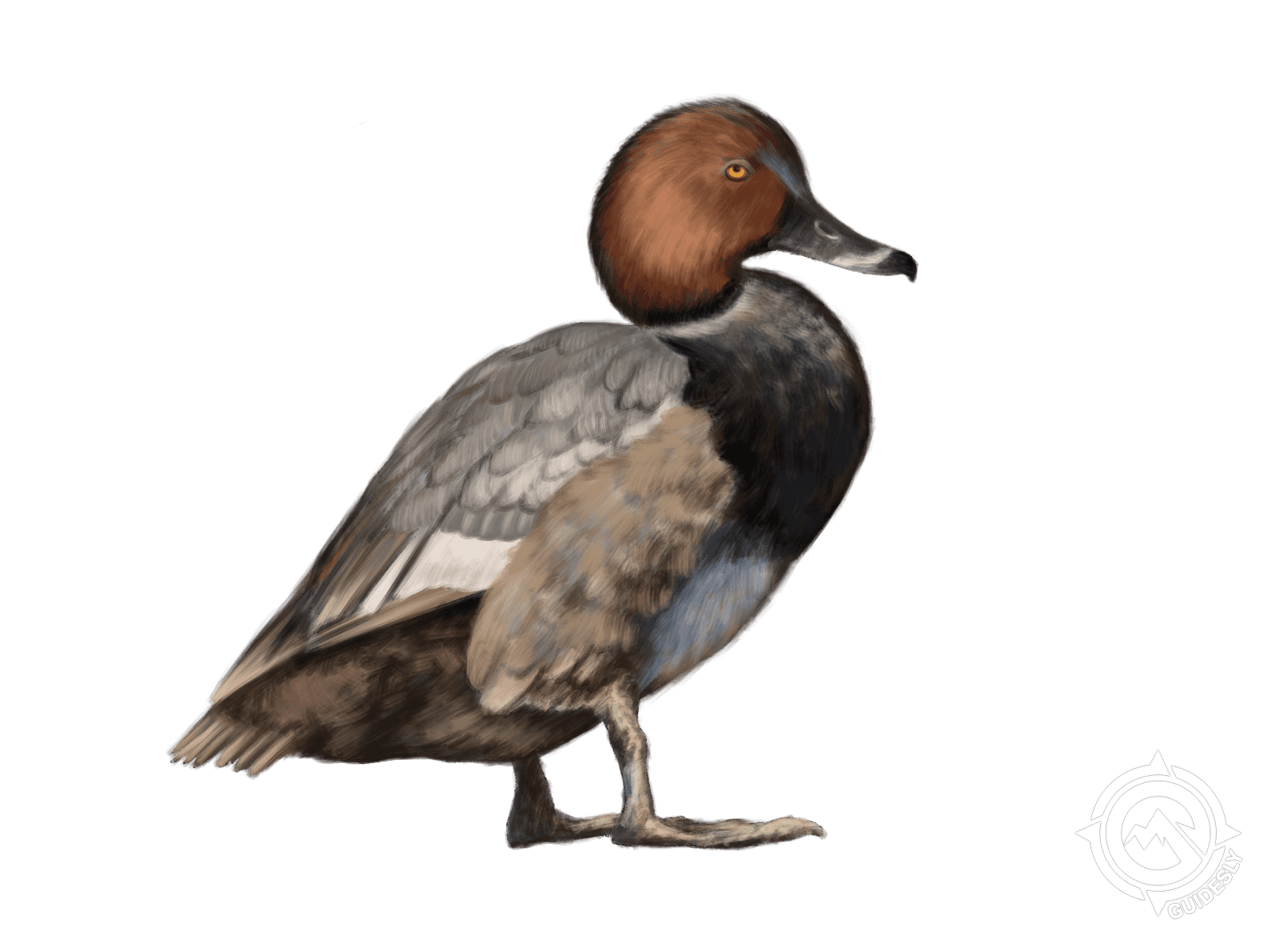
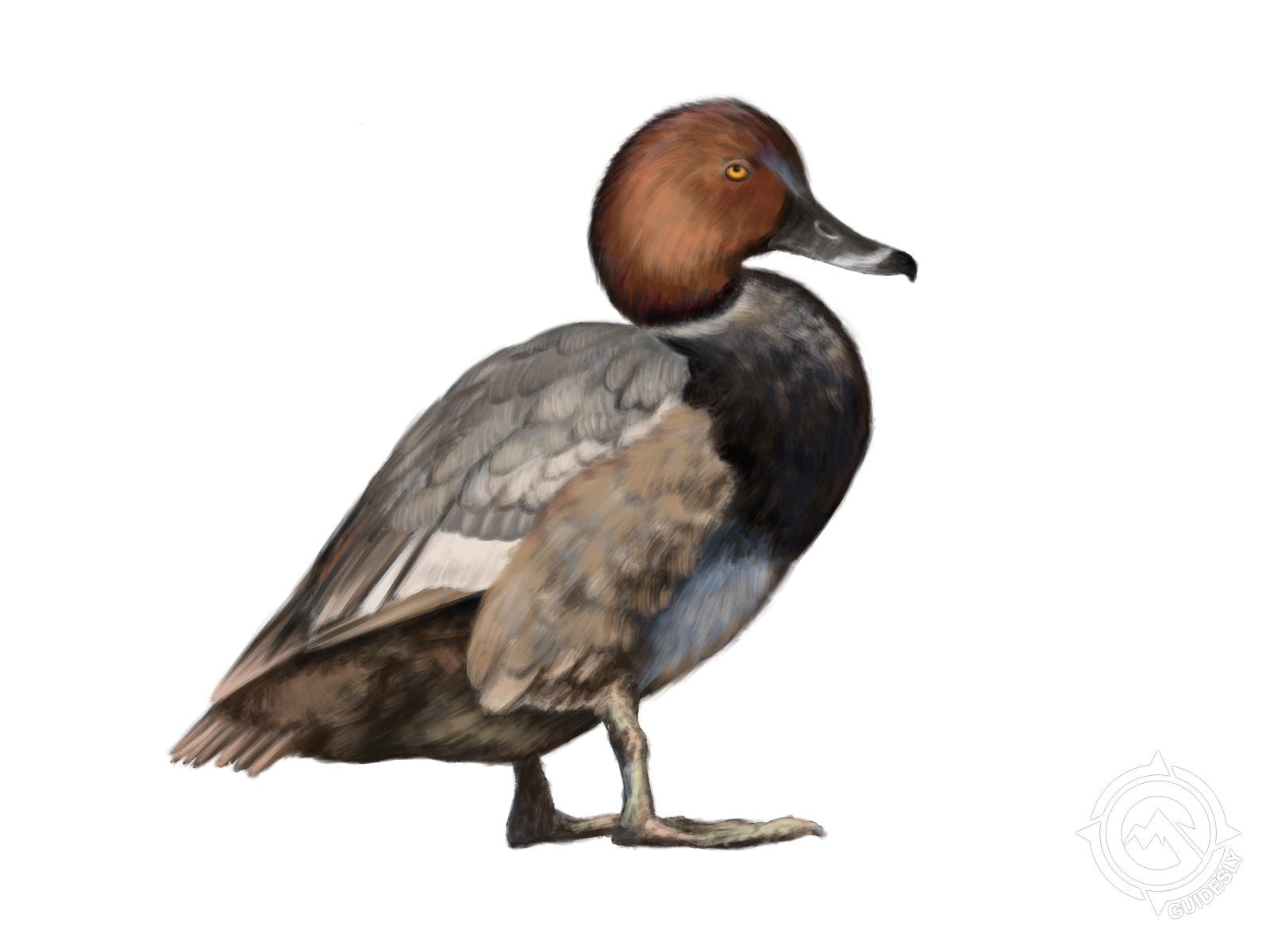 Redhead
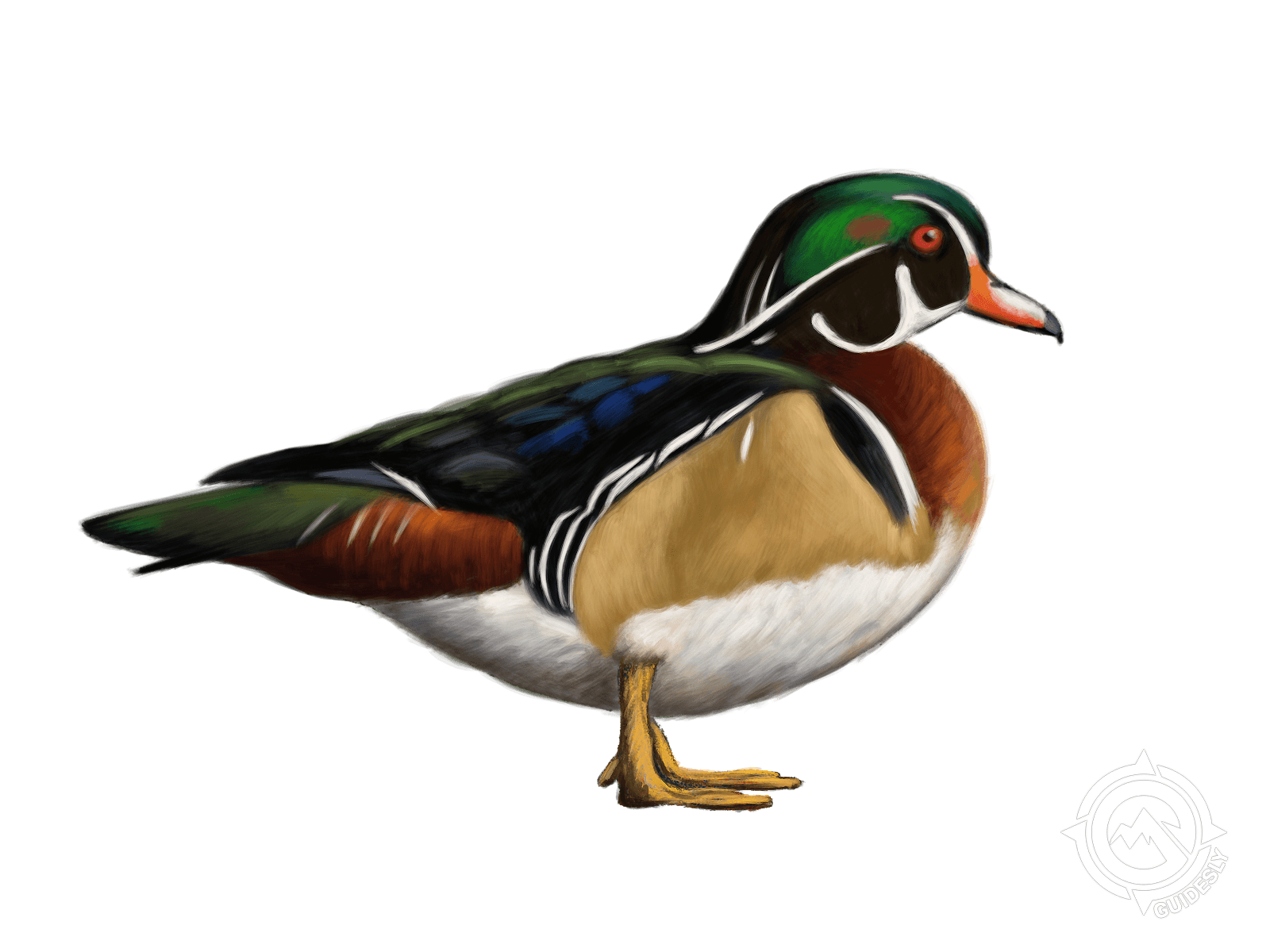
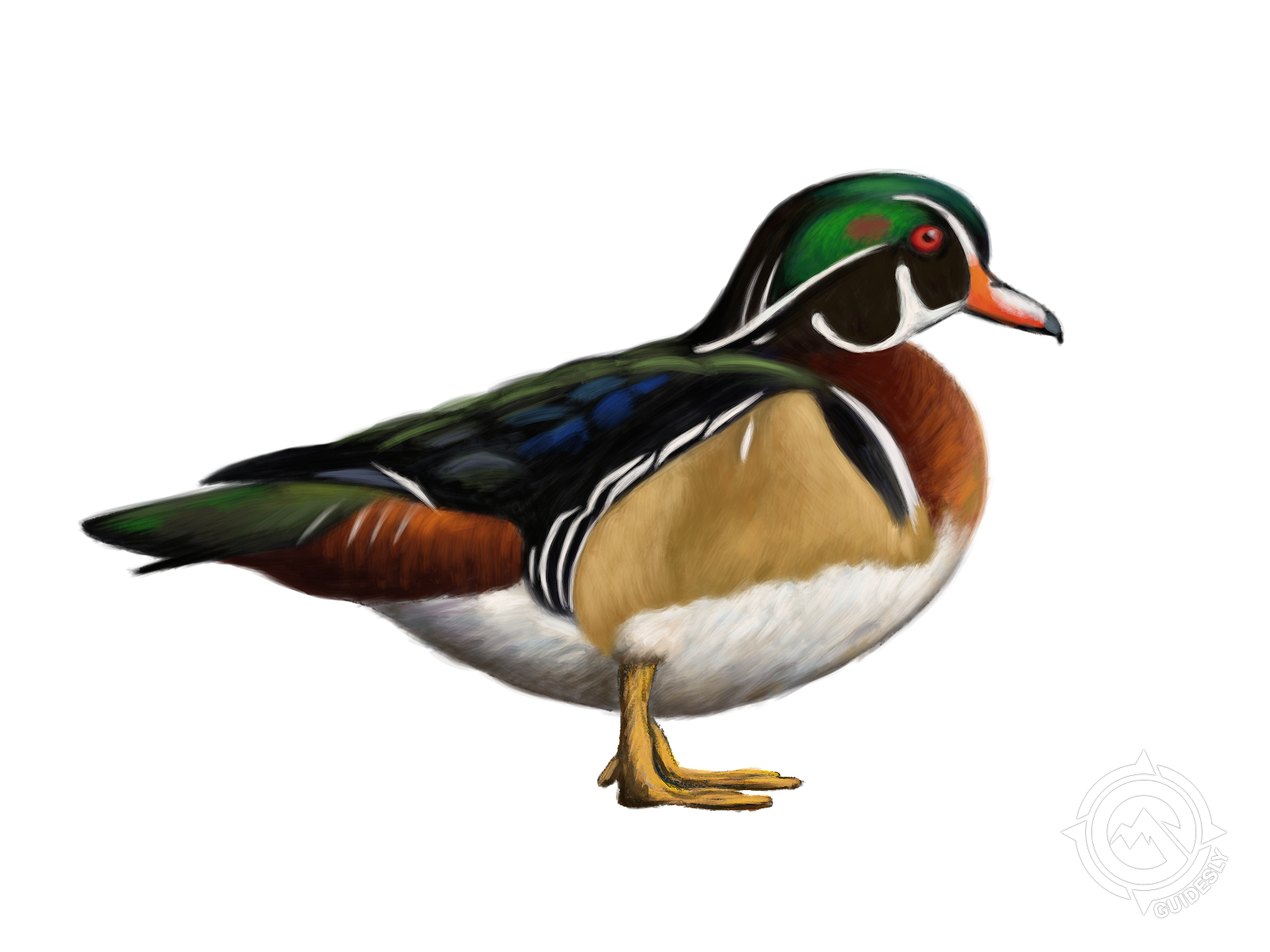 Wood Duck
- 7-hour guided hunt through New York's Finger Lakes region
- All equipment and expert instruction provided for beginners
- Small groups of 3 hunters during peak migration season
Trip Pricing and Availabilities:
Beginner Duck Hunting Guided Trip – Finger Lakes NY
Ready to try your hand at duck hunting in one of New York's most productive waterfowl regions? This guided duck hunting experience in the Finger Lakes is designed specifically for beginners who want to learn the ropes from experienced local guides. You'll spend 7 hours in the field, starting before dawn and wrapping up around noon, giving you the prime morning hours when ducks are most active. The season runs from September through January, and our guides know exactly where to find birds during each part of the migration. With all equipment provided and professional instruction throughout the day, this top-rated hunting trip takes the guesswork out of your first duck hunting adventure.
Inside the Hunt
Your day starts early – and I mean early. We're talking 5:30 AM meetup, because that's when serious duck hunters get after it. You'll be heading out into the darkness with your guide, who knows these waters like the back of their hand. The Finger Lakes region offers incredible diversity for waterfowl hunting, from shallow marshes to deeper lake setups, and we'll be working both water and field scenarios depending on what the birds are doing that day. This isn't just about sitting in a blind and hoping for the best – our guides are constantly reading wind patterns, weather conditions, and bird behavior to put you in the right spot at the right time. The 7-hour timeframe gives us plenty of flexibility to move locations if needed, and with only 3 hunters max per trip, you're getting personalized attention that bigger outfits just can't match. Don't worry about bringing gear – we've got decoys, calls, blinds, and everything else you need to make it happen.
Tracking Tips & Terrain
Duck hunting in the Finger Lakes is all about reading the birds and adapting your approach. We're working with a mix of shallow bays, cattail marshes, and open water setups that require different techniques. Your guide will teach you the basics of calling – when to be aggressive with your mallard calls and when to tone it down with subtle feeding chatter. Decoy placement is an art form here, and you'll learn why spacing matters and how wind direction affects everything. The terrain varies from trip to trip, but expect to be walking through some marshy areas and potentially wading in shallow water, so waterproof boots are a must. We also work agricultural fields adjacent to the lakes, where ducks come to feed on leftover grain. The key is staying flexible – some days the birds want to work the shorelines, other days they're committed to the deeper water. Our guides have been hunting these lakes for decades and know how to adjust tactics based on weather, pressure, and seasonal patterns that drive duck behavior in this region.
Target Game Breakdown
Mallards are the bread and butter of Finger Lakes duck hunting, and for good reason. These large, vocal ducks respond well to calling and provide excellent shooting for beginners. The drakes are gorgeous with their green heads and white collars, while the hens offer steady quacking that helps bring in other birds. Peak mallard action typically runs from October through December, and they love both our marsh setups and field hunts. You'll find them feeding in shallow water early morning and evening, making them perfect targets for our dawn hunts.
Wood ducks are hands down the most beautiful waterfowl you'll encounter on these lakes. The males sport incredible plumage with iridescent greens, purples, and distinctive white markings. These birds prefer wooded areas near water, which the Finger Lakes region has in abundance. They're early migrants, so September and early October are prime time for woodies. They're fast flyers and tend to come into decoys in small groups, making every encounter exciting. Wood ducks are also one of the few ducks that nest in tree cavities, giving them a unique connection to the forested shorelines we hunt.
American Wigeon, or "baldpate" as old-timers call them, are fantastic birds for beginners because they decoy so well. The males have that distinctive white crown that makes them easy to identify, and they make a unique whistling sound instead of traditional quacking. These birds are grazers, often found feeding on aquatic vegetation in shallow areas. They peak during October and November migration, and watching a flock of wigeon commit to your decoy spread is something every duck hunter should experience. They're medium-sized ducks with excellent table fare, making them a customer favorite.
Blue-winged Teal are small, fast, and absolutely electric when they fly. These birds migrate early – September is your best bet – and they travel in tight flocks that can turn on a dime. The drakes have distinctive white facial crescents and powder-blue wing patches that flash when they fly. Teal hunting is fast-paced and exciting, with birds often buzzing the decoys multiple times before committing. They prefer shallow, muddy areas with lots of emergent vegetation, which describes many of our prime spots perfectly.
Redheads are the diving ducks that really get hunters excited. These birds prefer the deeper, more open waters of the larger Finger Lakes, and they're known for their distinctive sloped profile and striking red heads on the males. Redheads are strong flyers and can be challenging to decoy, but when they commit, they come in with authority. October through November is prime time, and these birds often travel with other divers like canvasback and ring-necked ducks, creating diverse shooting opportunities.
Book Your Next Tag
This guided duck hunting trip offers everything a beginning hunter needs to get started in the sport – professional instruction, quality equipment, and access to some of New York's best waterfowl hunting grounds. The Finger Lakes region consistently produces birds throughout the season, and our experienced guides know how to put you in position for success. With small group sizes and personalized attention, you're getting world-class instruction that will serve you well beyond this single hunt. The 7-hour format gives us time to try different setups and techniques,
Learn more about the animals
American Wigeon
American wigeon are medium-sized ducks, about 1.5-2 pounds, known for their distinctive whistling call that earned them the nickname "baldpate." Around the Finger Lakes, they prefer shallow bays and marshy areas where they can tip-feed on aquatic plants and grasses. September through November gives you the best shot at these birds during their southern migration. Wigeon are popular with hunters because they decoy well and respond great to calling - that three-note whistle is music to any waterfowler's ears. They're also excellent eating with a clean, mild flavor. These birds are grazers, so you'll often find them in areas with good weed beds or near agricultural runoff. Key tip: set up near areas where they can walk out and feed on shore grasses - wigeon love to graze on land more than most ducks.
Blue-winged Teal
Blue-winged teal are the speed demons of duck hunting - small birds around 12-16 ounces that fly in tight flocks like they're tied together with string. They show up early in our Finger Lakes season, peaking in September before most head south by mid-October. These birds love shallow, muddy areas with lots of emergent vegetation where they can filter-feed on seeds and small invertebrates. Teal hunting is fast-paced and exciting - when a flock commits to your decoys, you've got seconds to make your shots count. They're excellent eating despite their size, with rich, dark meat. Blue-wings are early migrants, so they're less pressured and more willing to work decoys than later-season birds. Success secret: use small teal decoys and keep your spread tight - maybe a dozen blocks max. Teal like to land right in the middle of the group, not around the edges like bigger ducks.
Mallard
Mallards are the classic duck - what most people picture when they think waterfowl hunting. These are big birds, often 2-3 pounds, with drakes sporting that bright green head and white collar. They're found everywhere around the Finger Lakes from shallow marshes to open water, and they adapt to just about any habitat. Season-long hunting from September through January works for mallards since we get both local birds and migrants. Hunters love them because they're vocal, decoy well, and provide great action for beginners. The classic mallard quack is easy to learn and call. They're also top-notch table fare. Mallards are puddle ducks, so they prefer water 1-3 feet deep where they can tip-feed. Best tip: learn the hen mallard call - a good feeding chuckle or comeback call will pull birds when nothing else works, especially late in the season when they're call-shy.
Redhead
Redheads are medium-sized diving ducks that weigh around 2-3 pounds and are built for deep water work. These birds prefer the deeper sections of our Finger Lakes, usually diving 6-12 feet down to feed on aquatic vegetation and small mollusks. Peak hunting runs from late October through December when migration pushes them through our area. What makes redheads special is their wariness - they're smart birds that test your calling and decoy setup skills. The drakes have that distinctive rusty-red head that's unmistakable in flight. They make excellent table fare with a milder taste than most divers. Pro tip: set your decoys in water at least 8-10 feet deep and use a mix of redhead and canvasback blocks - they often travel together and the bigger cannie decoys help draw them from distance.
Wood Duck
Wood ducks are smaller ducks, usually 1-2 pounds, but they're probably the most beautiful bird you'll see in the marsh. The males have that stunning iridescent green head with white markings that catch the light perfectly. Around our Finger Lakes, they stick to wooded swamps, beaver ponds, and creek backwaters where there's plenty of cover. Early season in September and October is prime time before they head south. What draws hunters to woodies is the challenge - they're incredibly fast and agile, darting through trees like feathered missiles. They also taste fantastic, feeding on acorns, seeds, and aquatic insects. These birds roost in timber, so they're most active at first light and late evening. Success tip: focus on wooded creeks and set up near oak trees dropping acorns - wood ducks will work those feeding areas hard in early season.
About the G3 Hunting Boat
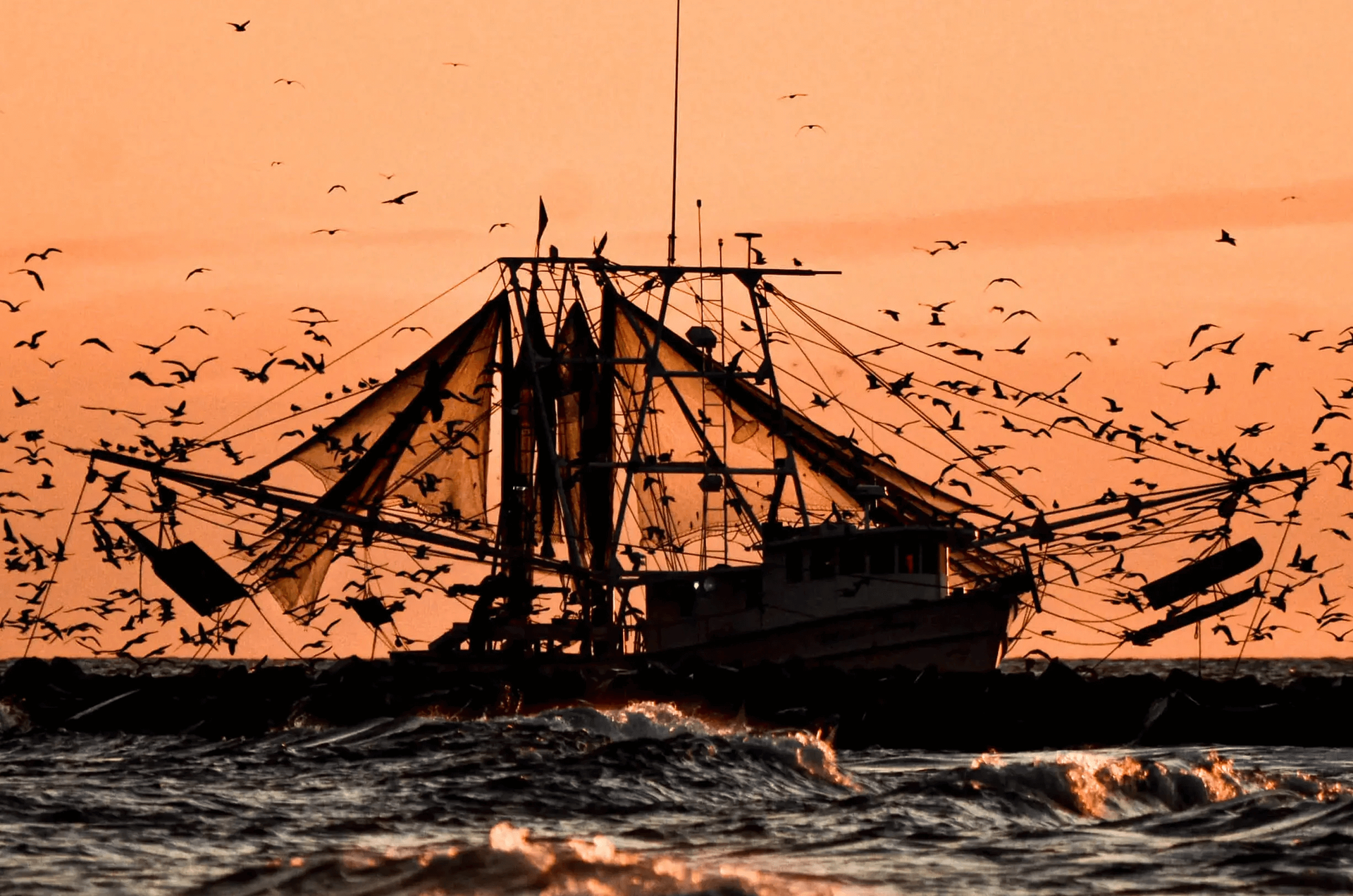
Vehicle Guest Capacity: 3
Manufacturer Name: Yamaha
Maximum Cruising Speed: 5
Number of Engines: 1
Horsepower per Engine: 25