%2Ffit-in%2F250x250%2Fguide_websites%2F10976%2Fimages%2Ffingerlakesoutfitters.png&w=1920&q=100)
/users/83e0f57f-bcf2-433d-b73a-f8d399b18cd4/ratecard/best-great-hunting-expedition.jpg)
%2F300x300%2Fusers%2F83e0f57f-bcf2-433d-b73a-f8d399b18cd4%2Fratecard%2Fbest-great-hunting-expedition.jpg&w=256&q=75)
%2F300x300%2Fusers%2F83e0f57f-bcf2-433d-b73a-f8d399b18cd4%2Fimages%2Fbest-great-hunting-north-rose-2321.jpg&w=256&q=75)
%2F300x300%2Fusers%2F83e0f57f-bcf2-433d-b73a-f8d399b18cd4%2Fimages%2Fbest-great-hunting-north-rose-2342.jpg&w=256&q=75)
%2F300x300%2Fusers%2F83e0f57f-bcf2-433d-b73a-f8d399b18cd4%2Fimages%2Fnorth-rose-hunting-adventure-2414.jpg&w=256&q=75)
%2F300x300%2Fusers%2F83e0f57f-bcf2-433d-b73a-f8d399b18cd4%2Fimages%2Furban-hunting-adventure-2329.jpg&w=256&q=75)
%2F300x300%2Fusers%2F83e0f57f-bcf2-433d-b73a-f8d399b18cd4%2Fimages%2Fnorth-rose-hunting-duojpg-2366.jpg&w=256&q=75)
%2F300x300%2Fusers%2F83e0f57f-bcf2-433d-b73a-f8d399b18cd4%2Fimages%2Fbest-great-outdoor-adventure-north-2463.jpg&w=256&q=75)
%2F300x300%2Fusers%2F83e0f57f-bcf2-433d-b73a-f8d399b18cd4%2Fimages%2Fhunting-adventure-new-york-2267.jpg&w=256&q=75)
%2F300x300%2Fusers%2F83e0f57f-bcf2-433d-b73a-f8d399b18cd4%2Fimages%2Fhunting-expedition-in-ny-2339.jpg&w=256&q=75)
%2F300x300%2Fusers%2F83e0f57f-bcf2-433d-b73a-f8d399b18cd4%2Fimages%2Fthrilling-hunt-new-york-2362.jpg&w=256&q=75)
%2F300x300%2Fusers%2F83e0f57f-bcf2-433d-b73a-f8d399b18cd4%2Fimages%2Ffantastic-hunting-expedition-2315.jpg&w=256&q=75)
Premier Finger Lakes Duck Hunting Adventure
 Finger Lakes
What you will be catching:
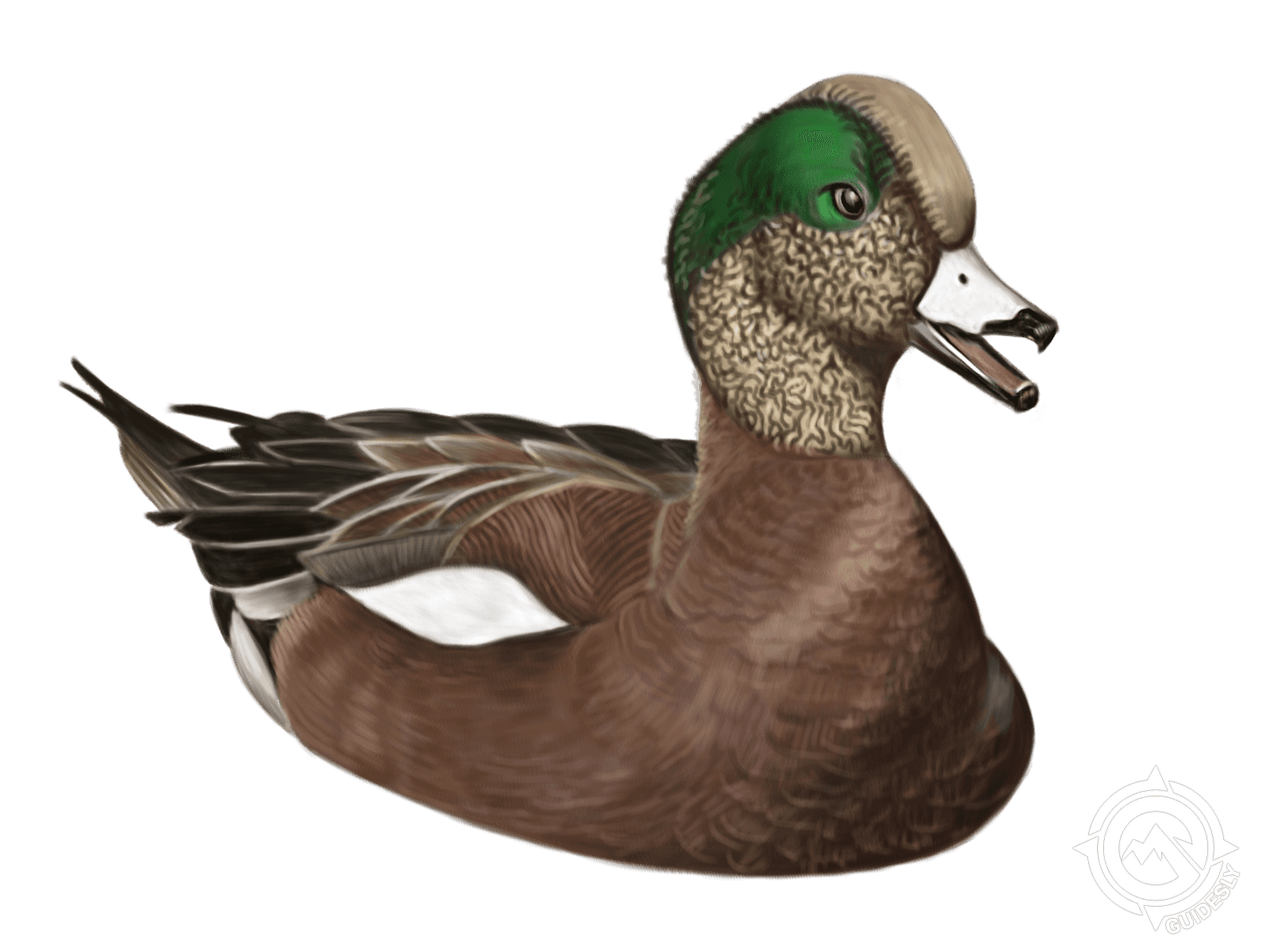
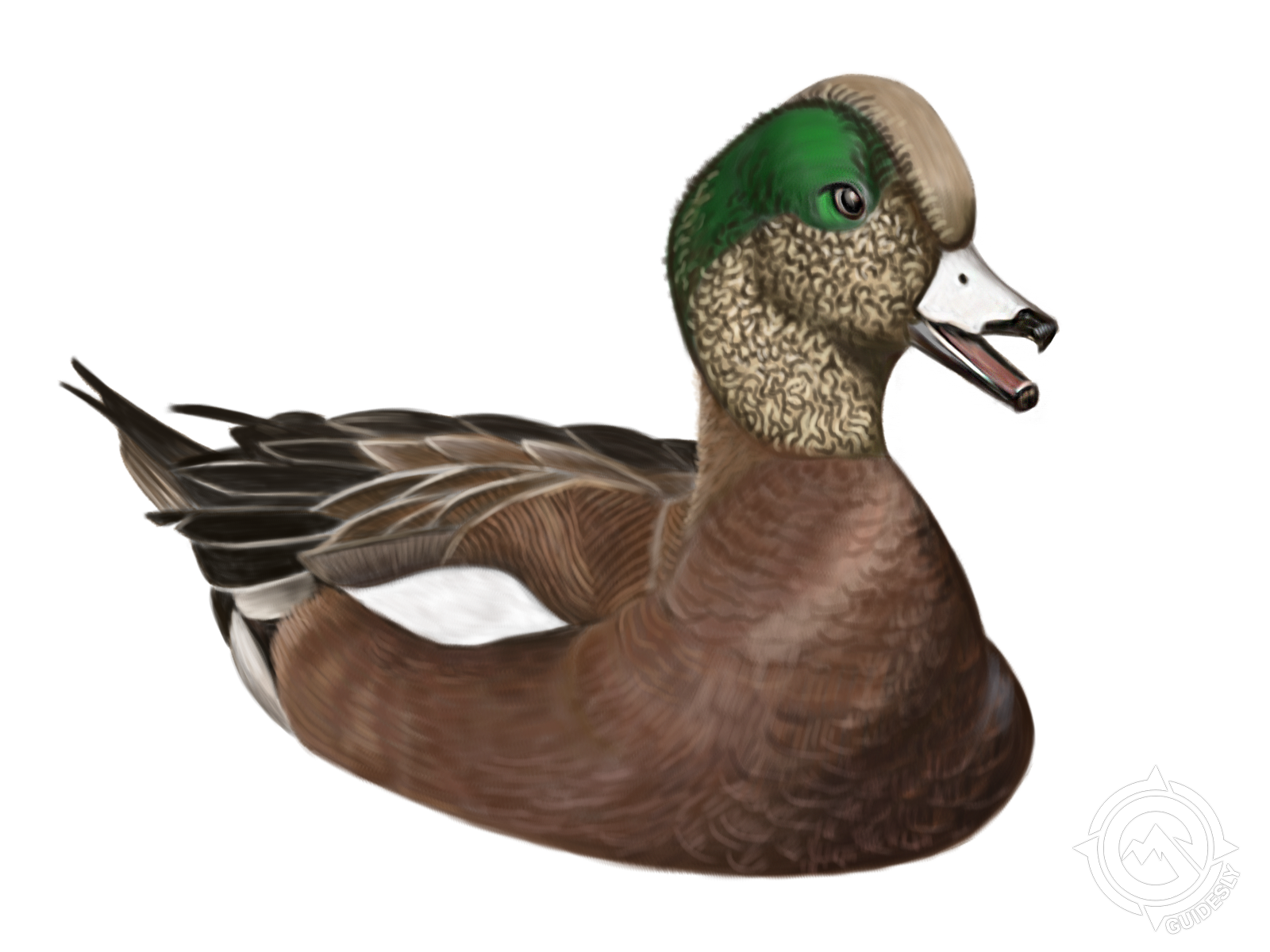 American Wigeon
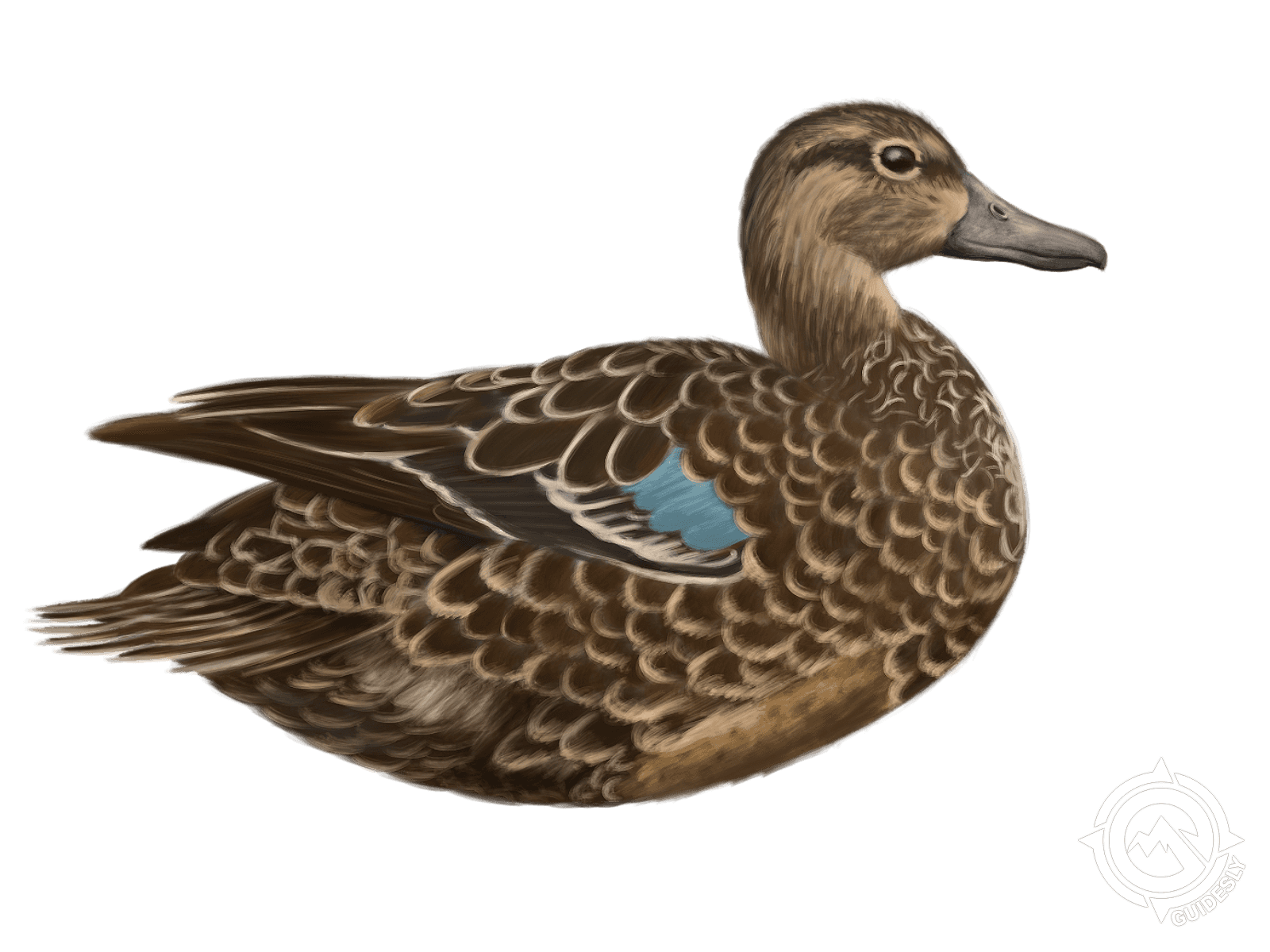
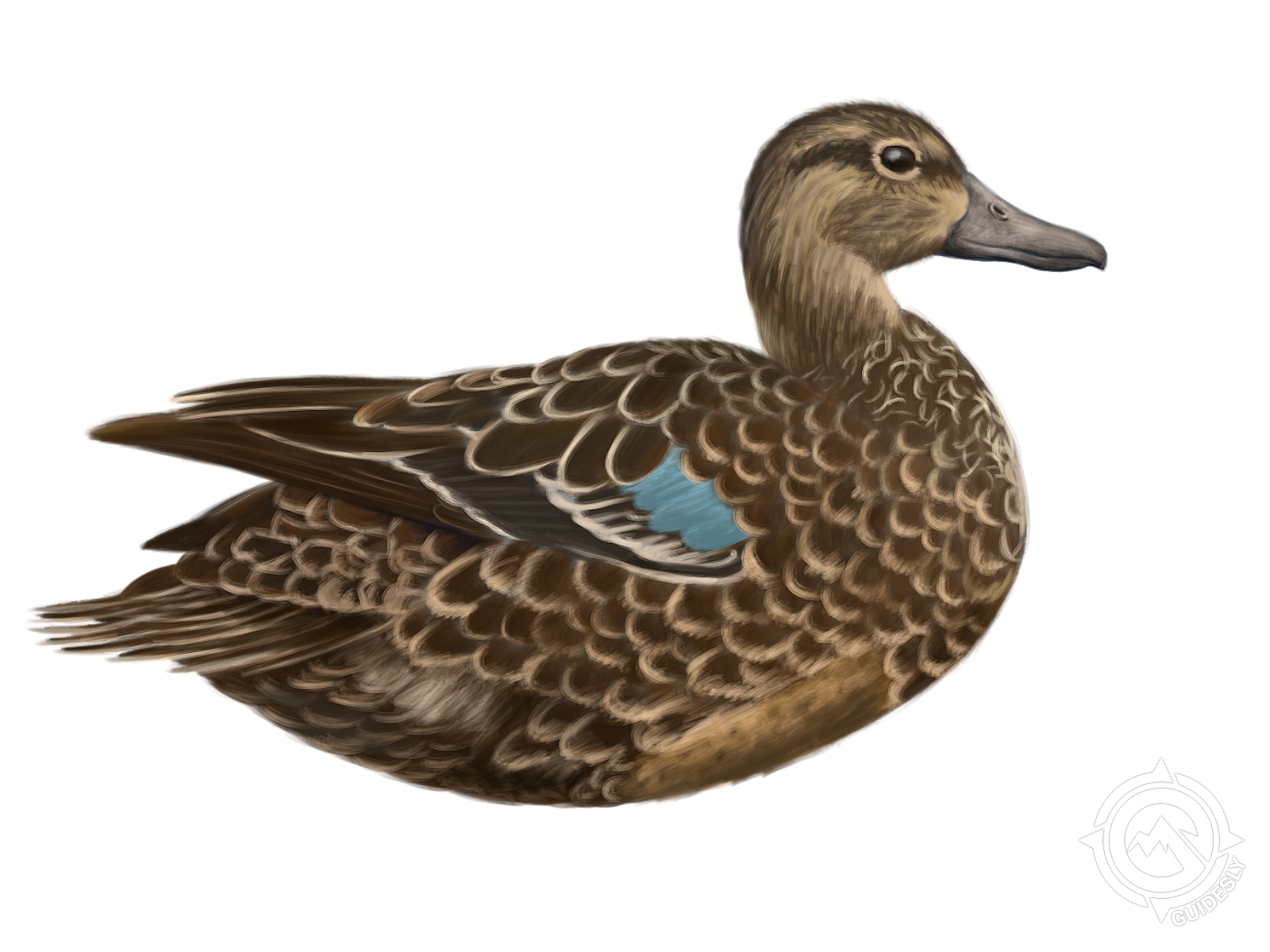 Blue-winged Teal
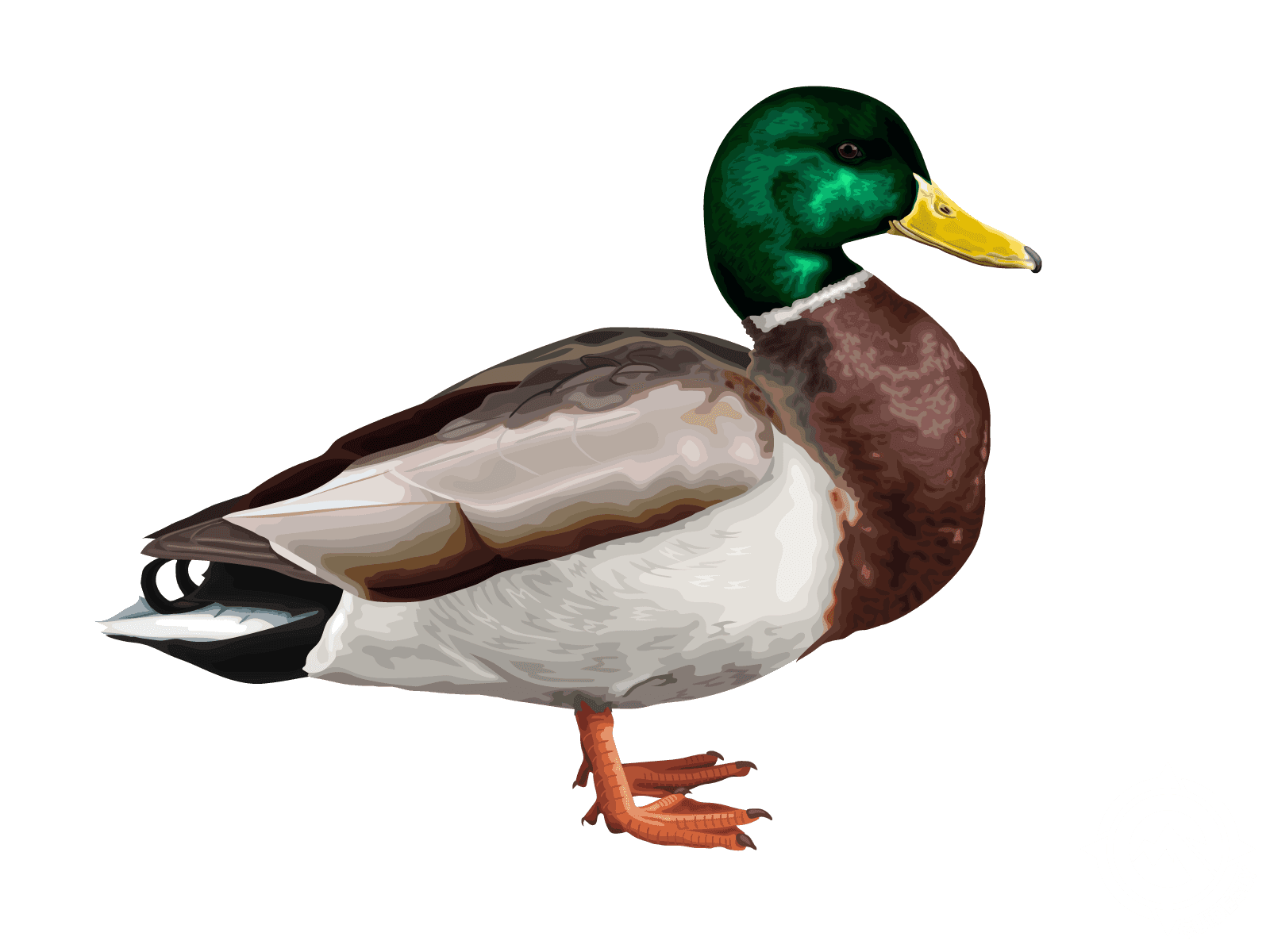
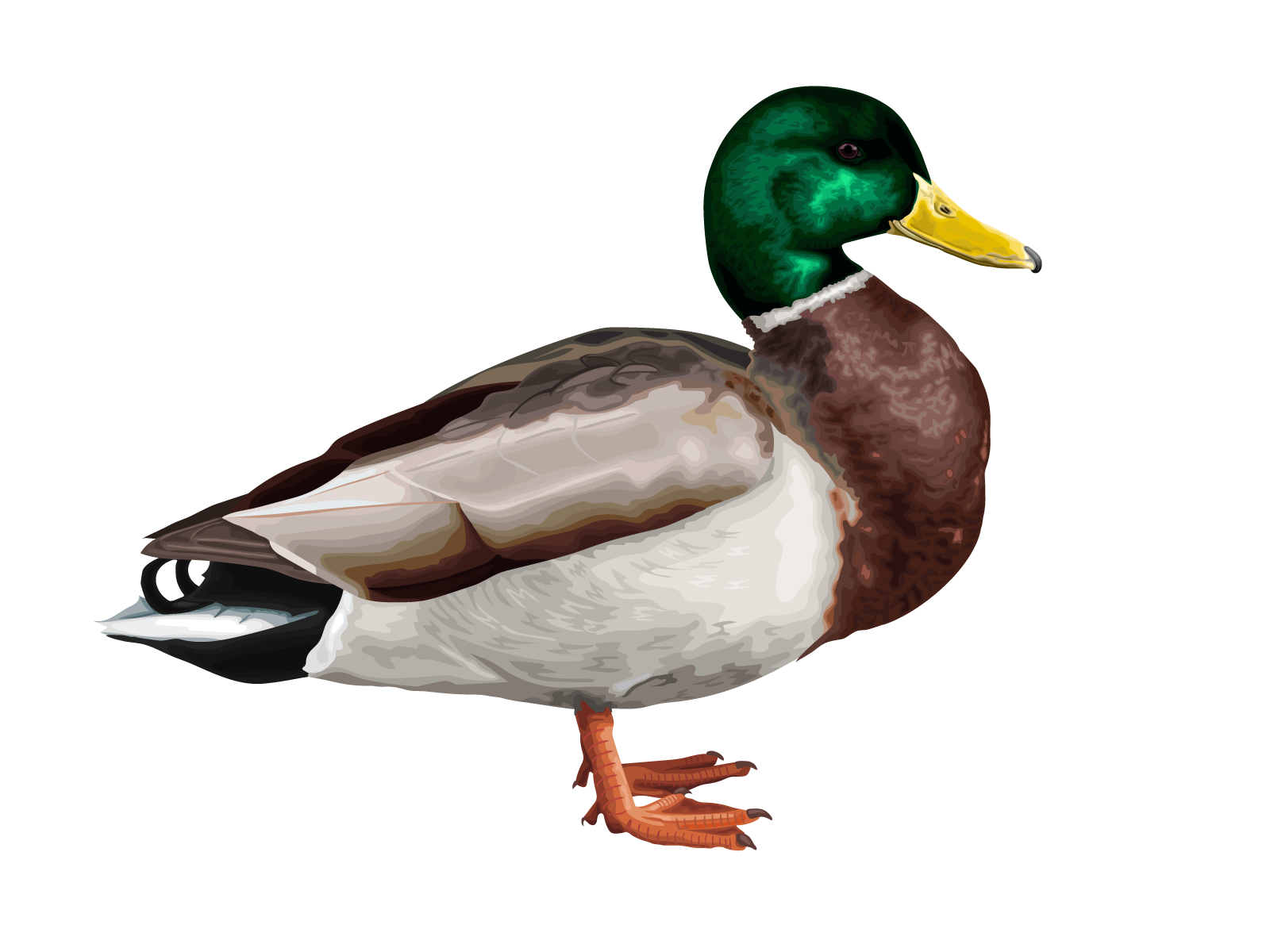 Mallard
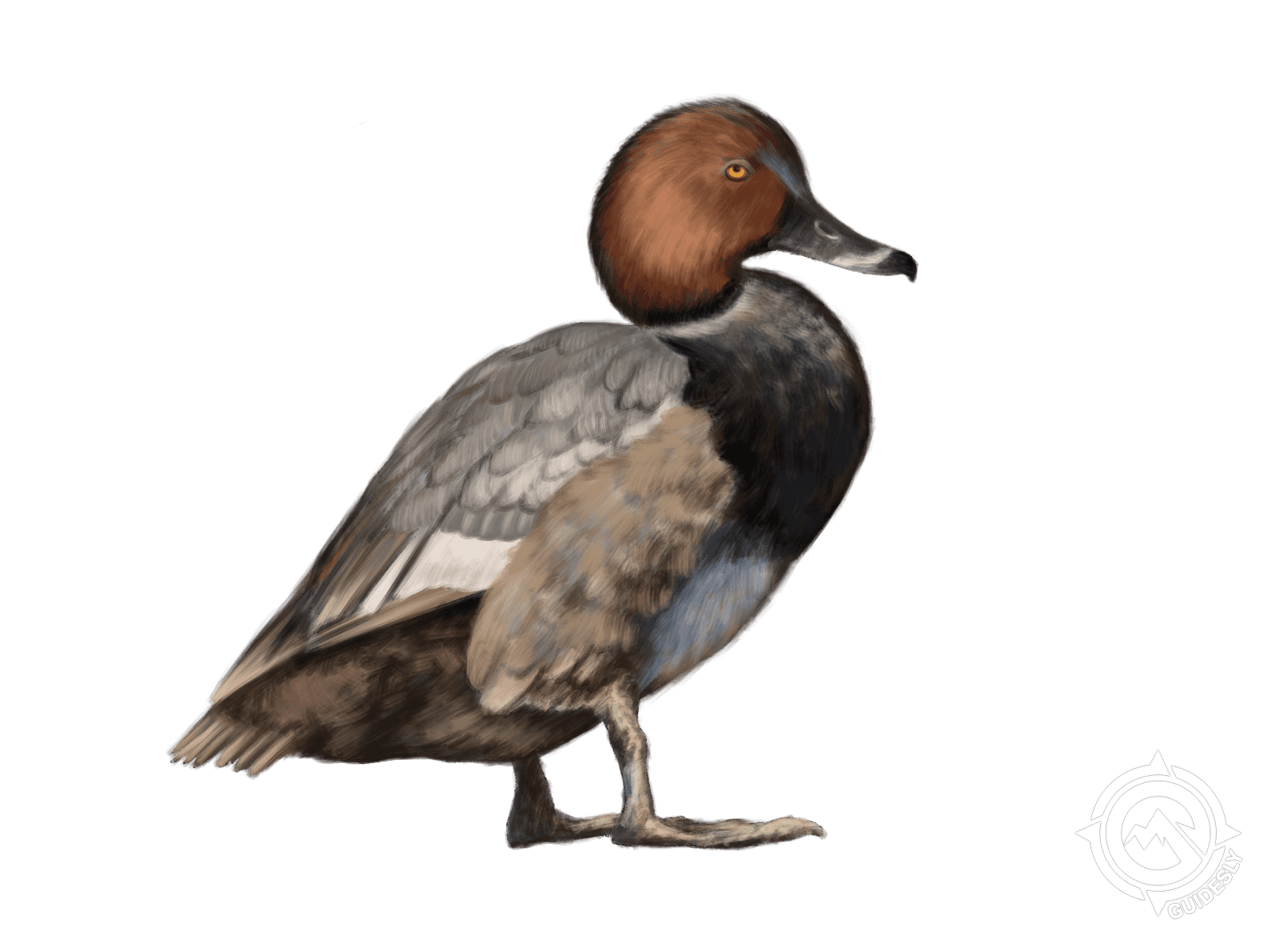
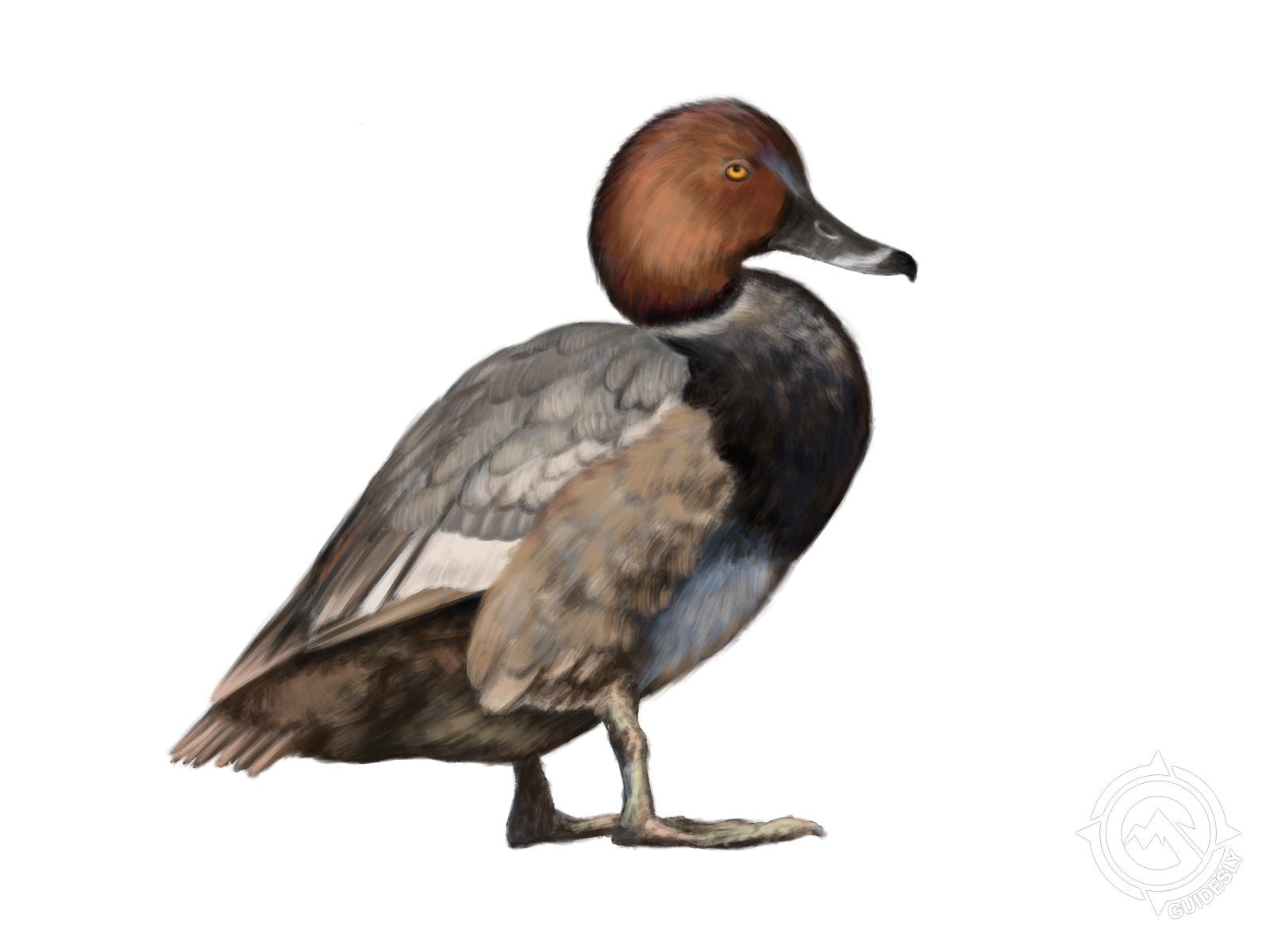 Redhead
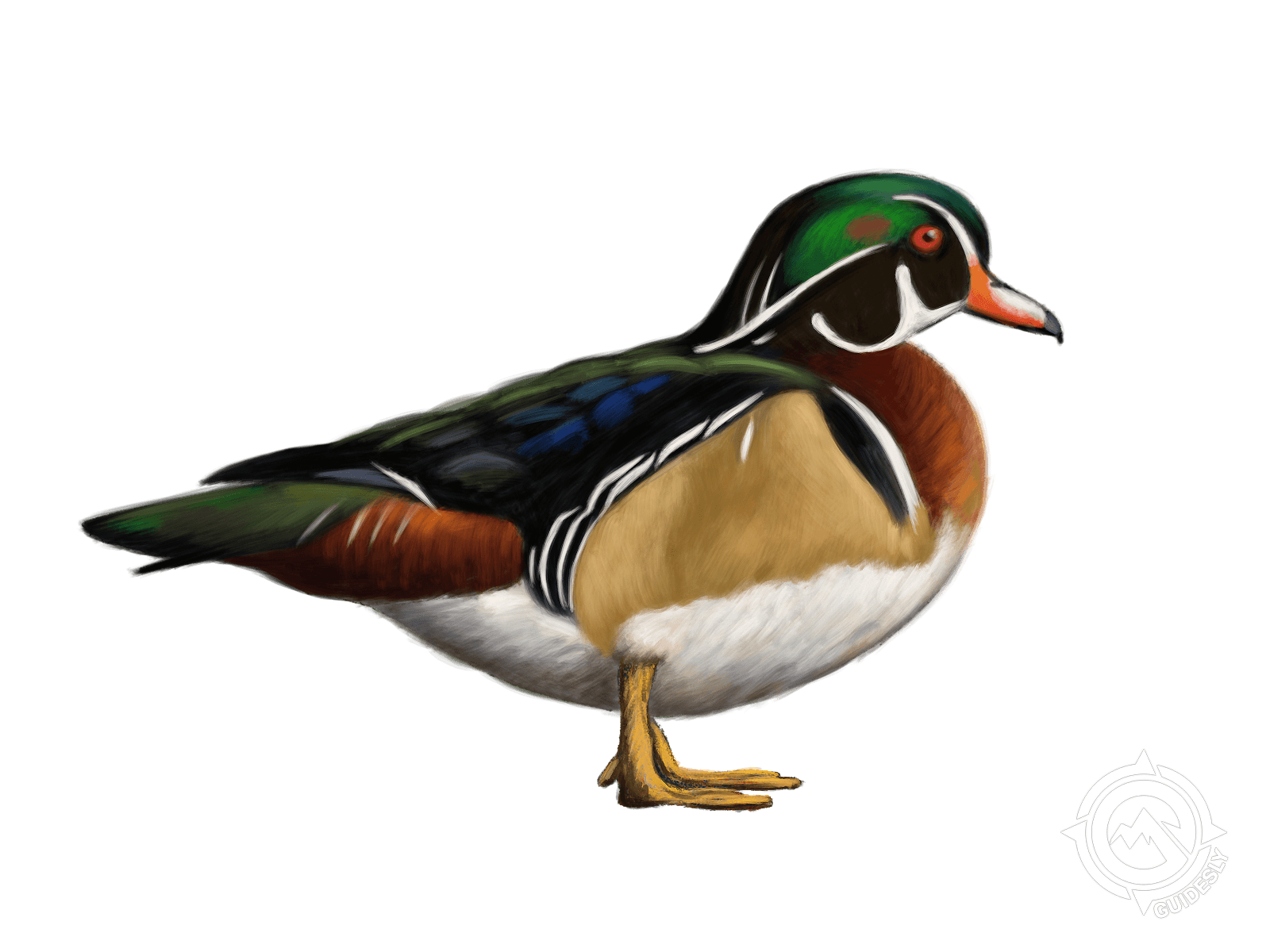
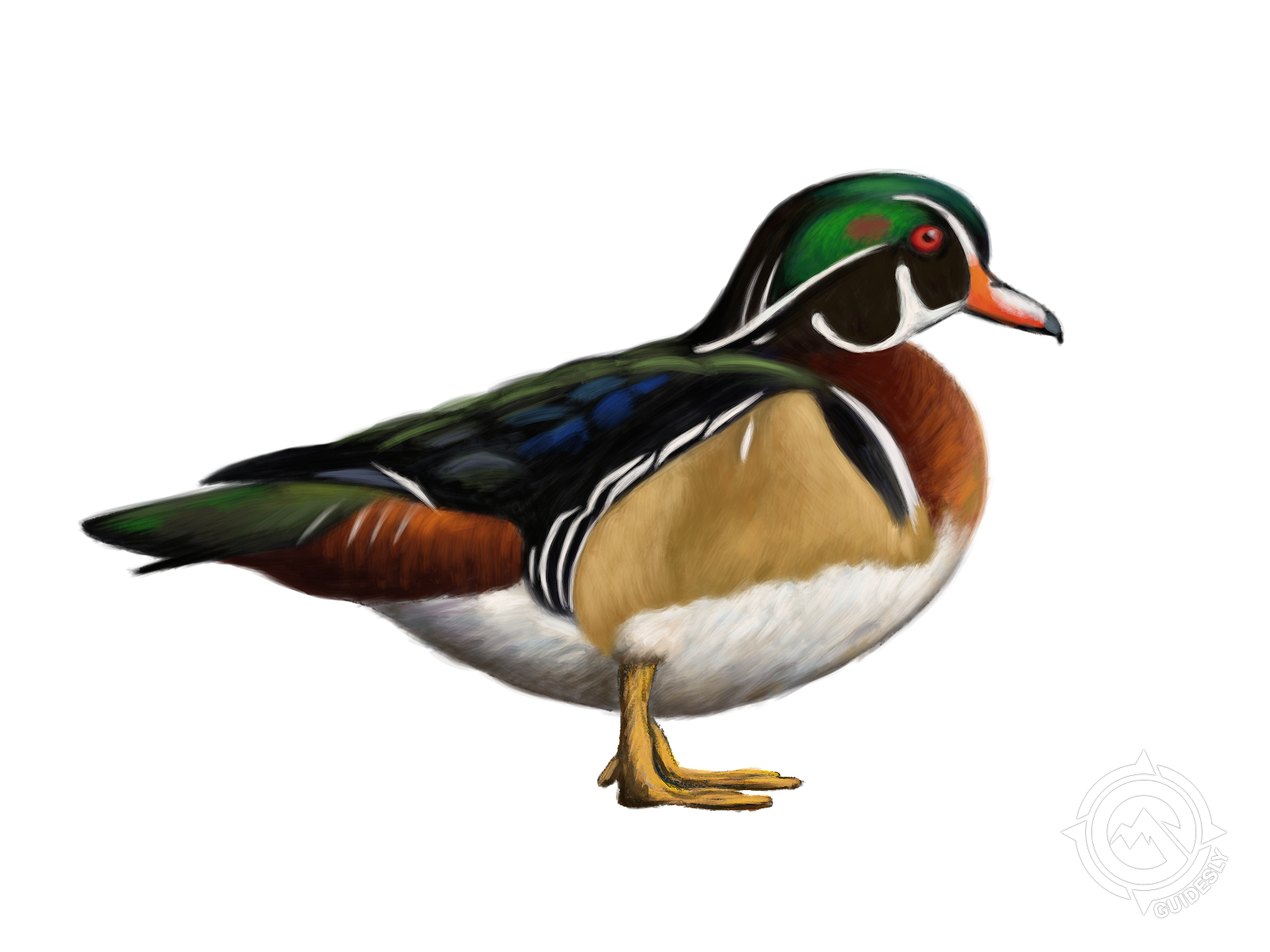 Wood Duck
- 7-hour guided duck hunting experience in Finger Lakes region
- All equipment provided; hunters need only license and clothing
- Available September through January with expert instruction included
Trip Pricing and Availabilities:
Weekday Duck Hunting Guided Trip – Finger Lakes NY
Nothing beats the rush of dawn breaking over the Finger Lakes as ducks start moving, and you're sitting in the perfect spot with decoys spread just right. This top-rated 7-hour guided duck hunt puts you right in the heart of New York's premier waterfowl corridor, where experienced guides know exactly where the birds want to be. Starting at 5:30 AM sharp, you'll be hunting some of the most productive waters and fields in the region until noon, giving you prime time when ducks are most active. Whether you're a weekend warrior looking to step up your game or a seasoned hunter wanting to explore new territory, our guides will put you on birds while keeping things safe and fun for everyone involved.
Inside the Hunt
This hunt runs the full waterfowl season from September through January, covering both early teal season and the main migration push when mallards and other dabblers flood into the Finger Lakes region. You'll experience both field and water setups depending on where the birds are working that day – maybe it's a flooded corn stubble in the morning or a cattail-lined pothole where wood ducks like to drop in. Our guides read weather patterns, wind direction, and bird behavior to put you in the right spot every time. The 3-person limit keeps groups small so everyone gets plenty of shooting opportunities and personalized instruction. All your essential gear is provided, from decoys and calls to layout blinds and waders, so you just need to bring your gun, shells, and the right clothes for the conditions. New hunters get hands-on coaching with calling techniques and shot placement, while experienced hunters appreciate the local knowledge that comes from years of hunting these waters.
Tracking Tips & Terrain
The Finger Lakes region offers world-class duck hunting because of its diverse habitat – deep glacial lakes, shallow marshes, agricultural fields, and protected wetlands all within a few miles of each other. We set up in proven locations where ducks naturally want to be, using realistic decoy spreads that match what birds are seeing in the area. Field hunts typically involve layout blinds in harvested crop fields where ducks come to feed, while water hunts put you in natural cover along shorelines or in boat blinds positioned in flight paths. Wind direction plays a huge role in where we hunt each day, and our guides constantly adjust tactics based on weather conditions and bird movement patterns. You'll learn to read duck behavior – how mallards circle wide before committing, how teal drop in fast and low, and why wood ducks prefer certain types of cover. Calling is kept realistic and conservative, matching the rhythm and intensity to what ducks expect to hear in this heavily pressured region. Shot opportunities come fast, so guides coach on proper lead and timing to help hunters make clean, ethical shots.
Target Game Breakdown
Mallards are the bread and butter of Finger Lakes duck hunting, with good numbers arriving during the October migration and staying through freeze-up. These classic dabblers respond well to calling and decoys, offering exciting action as they circle the spread and commit to landing. Drakes in full plumage are stunning birds, and hen mallards are smart, wary targets that challenge even experienced hunters. Peak mallard hunting runs from mid-October through December when cold fronts push birds south.
Wood ducks are early season favorites, with local birds joined by migrants throughout September and October. These beautiful ducks prefer wooded swamps and quiet backwaters, often dropping into decoy spreads without much calling. Wood duck hunting requires patience and stealth since they spook easily, but the reward is pursuing one of North America's most striking waterfowl species. Their acrobatic flight through timber makes for challenging shooting.
Blue-winged teal arrive first during the early September season, offering fast-paced action before most other ducks show up. These small, speedy ducks travel in tight flocks and provide excellent wing shooting practice. Teal hunting is all about timing – they're here one day and gone the next as they continue their migration to wintering grounds. The bright blue wing patches on drakes make them easy to identify in flight.
American wigeon, known as "baldpate" to old-timers, are mid-season arrivals that love agricultural areas near water. These grayish ducks with distinctive white crowns on males are notorious for stealing food from diving ducks, but they also respond well to decoy spreads in the right conditions. Wigeon hunting peaks during November when migration is in full swing, and their unique whistling call adds character to any hunt.
Redheads represent the diving duck action available in deeper Finger Lakes waters. These stocky, fast-flying ducks prefer open water and require different tactics than puddle ducks. Redhead hunting often means rough water and challenging conditions, but drakes with their distinctive rusty heads and black chests are prized by hunters. Late season action can be fantastic when weather drives birds to the few remaining open water areas.
Book Your Next Tag
This customer favorite weekday hunt gives you access to some of the best duck hunting New York has to offer, with professional guides who know how to put you on birds and help you improve your skills. The 7-hour timeframe covers prime hunting hours when ducks are most active, and the variety of setups means every hunt feels different. Small group sizes ensure personal attention and plenty of shooting opportunities for everyone. All gear is included, guides provide expert instruction, and you'll hunt proven locations that consistently produce birds throughout the season. Don't miss out on this renowned Finger Lakes hunting experience – call the captain directly to secure your spot for this world-class waterfowl adventure. Whether you're looking to fill your limit or just enjoy a morning in some of New York's best duck habitat, this guided trip delivers the goods every time.
Learn more about the animals
American Wigeon
Wigeons are medium-sized ducks around 1.5-2 pounds that you'll often find in mixed flocks with other species. They prefer shallow bays and marshy areas where they can tip-feed on aquatic vegetation, though they're just as happy grazing in nearby agricultural fields. September through early November gives you the best shot at these birds during their southern migration. Hunters love them for their unique whistling call and the way they respond to calling when done right. The meat is lean and tasty, especially early season birds. Watch for wigeons to follow diving ducks like redheads and canvasbacks - they'll steal food right from the divers when they surface. Set decoys in water 2-4 feet deep near vegetation edges for best results.
Blue-winged Teal
Blue-winged teal are small, fast ducks around 1 pound that provide some of the most exciting shooting you'll find. They travel in tight flocks and prefer shallow, marshy areas with mudflats and emergent vegetation. Early September is your window - these birds are among the first migrants south and don't stick around long. What makes teal hunting special is the speed and unpredictability of their flight patterns. They'll buzz decoys at high speed, circle multiple times, then drop in without warning. The meat is excellent despite their small size. Success comes from hunting early morning in shallow water setups. Use small teal decoys spaced close together, and don't be afraid to call aggressively - teal often respond to fast, chattering calls that would spook larger ducks.
Mallard
Mallards are the bread and butter of duck hunting - reliable, widespread, and weighing 2-3 pounds of prime eating. These adaptable birds use everything from shallow marshes to open lake waters, making them perfect for both our field and water setups. Peak action runs October through December, with cold fronts bringing fresh birds from up north. Hunters appreciate mallards because they decoy well, respond to calling, and provide consistent action throughout the season. The meat quality is top-notch, especially on corn-fed birds. Mallards are smart and get call-shy as pressure builds, so varying your calling is crucial. Focus on wind-protected bays and creek mouths during rough weather - they'll pile in seeking shelter and feed actively before storms move through.
Redhead
Redheads are solid diving ducks that run about 2-3 pounds and love the deeper waters of our Finger Lakes. They'll work the 8-15 foot zones where wild celery and other aquatic plants grow thick. These birds show up strong during November migration and stick around through December if the water stays open. What makes them special is their distinctive rust-colored head on the drakes and their willingness to decoy when conditions are right. They're excellent table fare with rich, flavorful meat. The key with redheads is setting up near drop-offs where shallow feeding areas meet deeper water - they'll cruise these edges looking for food and often commit well to a mixed spread of divers and puddle duck decoys.
Wood Duck
Wood ducks are among the most beautiful waterfowl you'll encounter, with drakes showing brilliant plumage that's hard to miss. These smaller ducks, weighing around 1.5 pounds, prefer wooded swamps, beaver ponds, and creek backwaters with plenty of overhead cover. Early season in September gives you prime opportunities before they get educated. They're notorious for being spooky and require a different approach than most ducks. What guests love is the challenge - wood ducks demand patience and skill. The meat is mild and excellent eating. Their flight pattern through timber takes practice to master. The secret is hunting small, secluded pockets connected to larger water bodies. Keep your calling minimal and position decoys in openings where birds can land without hitting branches.
About the G3 Hunting Boat
Vehicle Guest Capacity: 3
Manufacturer Name: Yamaha
Maximum Cruising Speed: 5
Number of Engines: 1
Horsepower per Engine: 25